
Complete Campout Meeting Plan for Let’s Camp Webelos – Outdoor Adventurer (AOL) – Camper and Eco-Camper (Junior)

Get the most Adventure/badge mileage out of a strong scoutcraft campout that positions them to be ready to Adventure Out in a few years! Taking Scouts camping brings me great joy, and here’s my tested plan to teach them all the basic scoutcraft that they’ll need to plan their own adventures in a few years that I used as Webelos and AOL den leader. After my Scout joined Girl Scouts also, I noticed that what we did also had covered Camper, Eco-Camper, and Simple Meals as well so I added those pointers to my old plans for any Girl Scout leaders looking for old leader plans to recycle!
One 60-minute-ish planning meeting, a game, a shopping trip, and the campout itself will earn your Scouts
The Camping Planning Meeting
Supply List:
Scout Ten Essentials plus emergency whistle in a backpack for demonstration
- Water bottle (1L/hour/person)
- Trail Food
- Sun protection
- Flashlight
- Whistle
- First-aid kit
- Map and compass
- Rain Gear
- Pocketknife
- Matches and fire starters
- Extra clothing
Campout planning materials
- S.A.F.E. sheets
- Scout Individual Packing Lists, one per Scout (Cub Scout version and Girl Scout version available)
- Printed campground maps, one per Scout
Cookbook with age-appropriate camping recipes and voting supplies
- Printed cookbook with plate model sheet in front
- Slips of paper (one for each Scout)
- Pencils (one for each Scout)
- Campout menu sheet (to fill in)
Weather Emergency Preparedness Drill Resources
- Webelos will need their Webelos handbook, page 232-234; for other Scouts, print a Weather Emergency Preparedness Instructions Sheet
- Printout of Weather Emergency Preparedness Drill Game
- Tape
- Printout of Weather Emergency Preparedness Drill Game Key
Meeting Setup
If you have Juniors, decide whether you want to limit their menu choices for one of the meals to one of the Camper choices in the booklet (one-pot meal, foil packets, or meal on a stick) a priori. Foil packets also fulfill Simple Meals requirement 5 (Make your own meal). If so, tell them up front before they vote on the rest.
Ask the patrol leader or denner (if you have them) to help you.
- Tape up the Weather Emergency Preparedness Game signs in a space where your Scouts can run around easily without disturbing anyone
Italicized sentences meet a requirement.
Know Before You Go: Share and plan basic campout information (10 min)
Share information about the campout with the Scouts: date, time, location, campsite number.
Hand out campground maps and have them find the campground and circle it. You may need to teach them how to read the map. If there is anything special at the campground to do, make sure they notice it on the map.
Plan with S.A.F.E.
Show a S.A.F.E. sheet and explain that we are going to plan our campout using S.A.F.E.
1. Supervision
- Who are the registered adult leaders supervising the camping trip? Are there enough of them?
- Is at least one of the adults BALOO/TCL trained?
2. Assessment
- What activities will take place during the camping trip?
- What type of safety gear is needed?
- Have we reviewed the Guide to Safe Scouting/Safety Activity Checkpoints to check on requirements for camping, tenting, and activities?
3. Fitness and Skill
- Has everyone completed and handed in their health forms?
- Do we have the fitness and skill needed for the activities we chose? (If they want to climb Mt. Everest, we do not and need to get fitter and learn to mountain climb first!)
4. Equipment and Environment
- Has everyone done a camping gear shakedown? We will do one at camp to review what everyone packed and in what, and we’re going to go through what to bring to Be Prepared after we finish this.
- Have we checked the pack/troop gear? Who’s going to do that? (Quartermaster – whose turn?)
- What will the weather be like and what adjustments need to be made?
Know Before You Go (Plan Ahead and Prepare) – What To Pack (10 min)
Six/Scout Essentials – demonstrate by pulling them out of your pack
Six Essentials (Webelos)
- Water Bottle. Always take along at least a 1-quart bottle filled with water. On long hikes, on hot days, in arid regions, and at high elevations, carry two bottles or more.
- Trail Food. A small bag of granola, some raisins and nuts, or a couple of energy bars can give you a boost when you get hungry on the trail. High energy foods are especially important if you are out longer than you had expected.
- Sun Protection. Guard your skin by applying a good sunscreen (SPF 30 or greater) and wear a broad-brimmed hat, sunglasses, and lip balm that contains sunscreen ingredients. Apply sunscreen 20 minutes before you hit the trail and every two hours after that — more often if you sweat a lot.
- Map and Compass. A map and a compass can show you the way in unfamiliar areas. Learn the basics, and then practice using a compass and a map when you’re in the field.
- Emergency Whistle for S. A. W. in case Scouts get lost. If you get lost, you should:
1. Stay – Do not go looking or wandering around. When you get lost or separated your group or parents are likely to start looking for you in the last place, they saw you or at places you have been. If you stay where you are, chances are they will come back to that place to look for you.
2. Answer – When you hear your name being called, answer back.
3. Whistle – Use your whistle. Blow your whistle with three short blasts. Do this repeatedly until you are found.
- Flashlight. An LED flashlight will cast a strong beam with just one or two AA batteries. LED headlamps are a good option, too, because they leave your hands free. Carry spare batteries in case you need them.
AOLs and Juniors also bring the remaining items of the Ten Scout Essentials:
- Extra Clothing. Layers of clothing allow you to adjust what you wear to match the weather. During an afternoon hike, a jacket might provide all the extra warmth you need. On camping trips, bring along additional clothing to deal with changes in temperature.
- Rain Gear. A poncho or a rain parka can protect you from light showers and heavy storms. It can also block the wind and help keep you warm.
- First-Aid Kit. Your patrol leader or troop leader will bring a group first-aid kit on most Scout trips, but you should also carry a few personal supplies to treat blisters, small cuts, and other minor injuries.
- Pocketknife. A pocketknife or multitool could be the most useful tool you can own. Keep yours clean, sharp, and secure, and don’t pick one so heavy that it pulls your pants down. In order to carry a pocketknife as an Arrow of Light Scout, you must first earn the Knife Safety Adventure, even if you earned the Whittling Adventure as a Bear Cub Scout and/or the Chef’s Knife Adventure as a Webelos. If you are a Junior, you don’t need to earn knife privileges, but make sure you know how to use your knife safely.
- Matches and Fire Starters. With strike-anywhere matches, a butane lighter, or a ferro rod and striker, you can light a stove or kindle a fire in any weather. Protect matches and other fire starters from moisture by storing them in a self-sealing plastic bag or canister. If you are an AOL, you must first earn the Firem’n Chit before you can use matches or fire starters. If you earn this certification as an Arrow of Light Scout, you will be required to earn it again in Scouts BSA before you are permitted to use matches or fire starters in Scouts BSA. If you are a Junior, you do not need to earn match privileges but you do need to know how to use them safely.
Individual Packing List
Give each Scout a packing list and explain how to use it. Remind them about the gear shakedown at camp.
Group Gear List
Show or explain the pack/troop gear kanban cards and the Quartermaster (gear checker and “master” of the shared things) and Hauler roles as well as who’s performing them for this campout, and that they will be responsible for setting up the cooking, sleeping, and food storage areas at camp.
If you have time: Weather Emergency Preparedness Drill Game (20 min)
This may well have to be done at either another meeting or the campout, or by allowing the meeting to run about 10-15 minutes over. It almost but not quite fits, but because it hits the trifecta of fun, educational, and active I’m recommending it anyway!
- Discuss the actions you should take during these emergency events: flood, thunder, lightning, tornadoes, sandstorm, wildfire, and earthquake. (Page 232 of the Webelos handbook – you can ask them to use the handbook to figure out the right answers.) If you don’t have any Webelos, you can reference this Weather Emergency Sheet.
- Instruct the Cub Scouts to pretend they’re on a camping trip. They should look around the room to see different “areas” of the campground (the hanging signs). When you call out one of the emergency events, they are to move to a safer spot and take the appropriate action. For example, if you call out “tornado,” they should run to the sign marked “low spot” and lay down flat.
- Continue randomly calling out one of the emergencies. Speed up, so that the Scouts will have to race to the appropriate sign.
When we did this the first time, a perceptive Scout noticed that “tent” is never the right place to go. You may get some opportunities to facilitate a conversation afterwards.
Know Before You Go (Plan Ahead and Prepare) – Plan Balanced Meals (30 min)
Choose voting method
Ask the Scouts whether they want to use majority or plurality voting to decide what to eat at the campout. They probably won’t know what those are, so give them a quick explanation:
Majority means that to win a vote the candidate must receive more than 50% of the vote. The benefit of a majority vote is that the majority of people get what they voted for. The potential challenge with a majority vote is when there are multiple candidates or topics, and a lot of people involved it may be difficult and/or take a lot of time to get a majority of people to agree on one candidate or topic. It may take several votes to get to a majority with no guarantee a majority will ever be reached. Conducting elections on a large scale is very costly.
Plurality is a system of voting, common in democracies, where the candidate who receives the most votes wins the vote, this is most common when there are more than two candidates on a ballot. The benefit of a plurality vote is that chances are greater that at least one person or topic will receive the most votes. Plurality votes usually only take one vote. The potential challenge is that people who are voting expecting a majority vote may feel like their vote didn’t have an impact.
The President of the United States is elected using a combination of majority and plurality system called the electoral college. Several states use plurality voting to assign their electoral votes. In total there are 538 electoral votes and to win a presidential election the candidate must receive the majority of those electoral votes which is 270.
Ask for nominations from the cookbook
If you have a patrol leader, ask the patrol leader to take the unit cookbook, read the recipe titles and answer questions about the dishes, and then ask after each dish if anyone would like to nominate it for a meal on the campout, and then once they have candidates for each meal run the election to choose the menu. If you don’t have a patrol leader, you can tap one or more capable Scouts to help or do it yourself.
Each meal needs a “candidate” slate; nominations must be seconded to make the candidate list for a certain meal. (If no one else wants that dish on the ballot, then it does not go on the ballot.) If you have Juniors, make sure to vote for a dessert also.
Ideally, each meal slate would have at least four candidates (to increase the chances of getting to point out the relative merits of plurality and majority voting) but depending on how it’s going you may not have time to make it happen.
Vote
One meal at a time, have the Scouts vote for what they want to eat. If you have one, have the patrol leader run the election and announce the vote counts for each dish. Jot down the winners on a campout menu sheet.
Voting discussion
Is there a dish that received the most votes (plurality)?
Is there a dish that received the majority of votes (majority)?
Explain to Scouts – Imagine if this was an election where there were thousands or millions of voters. There is a lot of time, money, and energy it takes to conduct an election and it can be a drain of resources to keep conducting an election until there is a majority.
Based on this election what do you think the Scouts should have for each meal?
Ask Scouts to Plan Grocery List for the Shopping Trip
After they have decided the menu, decide which Scouts to give the corresponding shopping and planning aids to. Review (with the whole group) how they’re set up, how they help in making an accurate grocery list (because we want to neither have people go hungry nor waste money) and also making sure that each meal in balanced (point out the plate models
Ask them to bring a shopping list for that meal, a bring from home list for that meal, and the worked out sheets to the shopping meeting. (Parental help is almost certainly required, because they probably won’t have done ratios in math class yet. Make sure the parents are aware of the ask and point of the exercise.)
Ask them to think about trash and packaging when they make the lists and to note what should be repackaged to reduce campsite trash.
Give the chosen Scouts the final RSVP counts and dietary restrictions of attendees once you have them (through their parents), since they can’t estimate how much food to buy without knowing how many people are going.
Request parents to stay during the upcoming shopping meeting to help supervise and guide Scouts.
Webelos requirements covered:
- Stronger, Faster, Higher Requirement 1 part one: With your den or family, plan, cook, and eat a balanced meal.
- My Community requirement 1: Learn about majority and plurality types of voting
- Let’s Camp Webelos Requirement 4: Identify a potential weather hazard that could occur in your area. Determine the action you will take if you experience the weather hazard during the campout.
Arrow of Light requirements covered:
- Outdoor Adventurer Requirement 1: Learn about the Scout Basic Essentials.
- Outdoor Adventurer Requirement 4: Locate the campsite where you will be camping on a map.
- Personal Fitness Requirement 1 part one: Plan a balanced meal that you would eat when camping.
Junior badge requirements covered:
- Camper Requirement 1: Start planning your adventure option 1 (Talk to an experienced camper (if you yourself aren’t one, find one to run the first part of the meeting (before food planning))
- Camper Requirement 3: Find your inner camp chef
- Eco-Camper Requirement 2: Plan meals/snacks with the environment in mind.
The Shopping Meeting
Supply List:
- Clipboards
- Printout of plate models
- Calculators
- Pencils
- Backup shopping aids
- Backup list paper
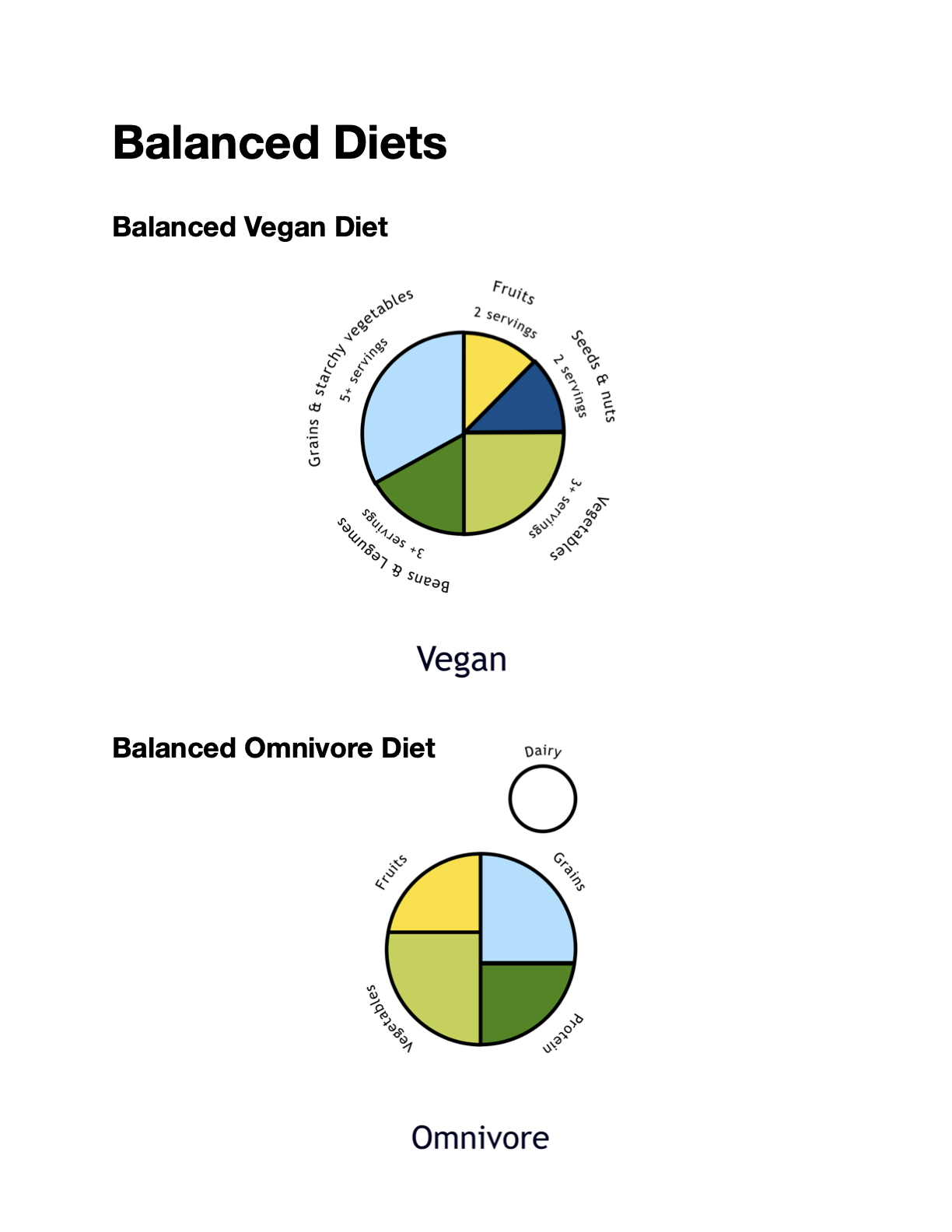
Make sure the shopping lists are good and complete (for balanced meals)
Gather at the front of the store to review the shopping lists. Let each Scout who made a grocery list explain their need to buy list and bring list. Ask them to make sure that someone is bringing all the things on the ‘bring’ list and who’s going to do any repackaging and/or preparations at home.
When they’ve all presented, show the plate models and ask if each meal is complete.
Add up each meal budget into a total food budget. Add $10 per hot meal for fuel for a total store budget today. Keep track of that total number yourself and keep it accessible for later.
If you have more than 5 Scouts there, split into groups by dish and send each group out to shop for just one dish together with a supervising adult. If you have 5 or less, stick together in one group. Have one Scout lead the group around the store to get all the items and another keeping track of the running cost of the food on the calculator.
Right before going in, remind them that everyone is expecting them to follow the Scout Oath/Promise and Law during their visit. Make sure everyone has a buddy.
Head in and shop
Supervising adults are going to have to coach first-time campout shoppers pretty hard. They will walk around inefficiently, they will need reminders of maintaining mindfulness and awareness of space around them, and they will make rash decisions without realizing the consequences. (5 different loaves of bread, but they don’t have the same number of slices so we don’t have as many slices of bread that we calculated that we need and someone’s going to go hungry.) They are also going to have to price comparison shop in a way they don’t when they shop with their family – they will need help with how to fairly price compare. Not going to lie, this is a stressful meeting to run – which is why you need multiple adults there to help corral them in the right direction.
However, there is an upside. The engine that makes this meeting go is getting to be scout-led – they really enjoy the rubber meeting the road on making campout choices for real. It’s chaotic and intense, but for each time they do it, they get much better and they’re building the experience needed to handle all their own food in a year or two!
Resist the temptation to take over or force them to make good choices. Yes, you could do this much better and faster yourself – but the objective isn’t to buy the food, it is to teach them how to buy the food. Focus on making sure that no one goes hungry. Poorly thought through food choices are, in the long run, self-correcting. (My Webelos now always buy a variety of fruits, after getting tired of just one kind the first time they did the shopping. Balanced, but boring!)
Check out
Make sure you have the person who’s paying with all the groceries. Ask the cost trackers what their cart is going to cost.
Review the cost and how to pack the food for a campout
Check out and share with the Scouts what the total cost was and see if you shopped on budget or not. Calculate a quick per-person-meal cost and compare that to eating in a restaurant.
Ask the Scouts if they know what the food Hauler now needs to do to keep the food safe to eat.
- Eggs and raw meat need to be kept below 40°F (5°C) in order to not go bad. They are covered in harmful germs, and the cold stops the germs from growing quickly. Make sure to put the eggs and raw meat right next to ice in the cooler to help keep them safe to eat.
- Animal dairy also needs to be kept below 40°F (5°C)
- Plant dairy and meat are not as cold-sensitive, but do need cold storage to not go bad
- In warm climates, chocolate for s’mores needs refrigeration not to melt except during winter
Ask them to check on the food Hauler’s job by checking the thermometer inside the cooler once we get to camp and tell them it’s their job to monitor it and call for an ice fetch quest if it gets above that.
Wrap up by making sure that everyone who eneds one has a ‘bring’ list and reminding everyone who’s going to do any repackaging and/or preparations at home.
Thank parents for helping and close!
Webelos requirements covered:
- Stronger, Faster, Higher Requirement 1 part one: With your den or family, shop for a balanced meal.
AOL requirements covered:
- (AOL) Personal Fitness Requirement 1 part one: Plan and shop for a balanced meal that you would eat when camping.
Junior requirements covered:
- Preparing for Eco-Camper Requirement 2: Plan meals with the environment in mind
The Scouts Check the Weather and Pack at Home
You set the stage for this at the camping planning meeting, but make sure that parents know to not just check the weather and pack for their Scouts because it’s easier and faster! Having to think through what to pack and how to carry it to camp, and then living with their choices is a very important feedback loop. Parents need to prevent disasters, but not all mistakes. Too much stuff? Let them make the mistake and regret it now, when it’s just car camping and not backpacking.
Webelos requirements covered:
- Let’s Camp Webelos Requirement 1 part one: Cub Scouts plan for an overnight campout with your pack or at a council or district event.
AOL requirements covered:
- (AOL) Outdoor Adventurer Requirement 2: Determine what you will bring on an overnight campout — including a tent and sleeping bag/gear — and how you will carry your gear.
- (AOL) High Tech Outdoors Requirement 1: With an adult, use a weather app or website to see the forecast for an outdoor activity and discuss any preparation needed to accommodate the weather.
Junior requirements covered:
- Camper Requirement 1: Start planning your adventure.
The Campout
I naturally formulated my campout planning coaching to lead into how we usually run campouts, which I’ve described elsewhere. Since you are guaranteed not to run campouts exactly like we do, here are the parts of the campout you need to hit to deliver maximum Adventure/badge requirement (and scoutcraft skills!) completion for your Webelos (W), AOLs (A), and Juniors (J):
- (A, J) Campsite setup of kitchen, eating area, tents, and firepit. Make sure the Scouts know where all the kitchen gear is, how the stove you have works, and what you brought. (J) Help the patrol set up the patrol gear before setting up your own tent. They should pick their own tent pitching spots and know what to look for, may need some guidance
- (A) Make sure the AOL patrol puts the first aid kit somewhere where it’s easy to find
- (W, A) Coach them with your voice if they can’t pitch the tents themselves, but don’t physically help and remind other adults to not physically help either
- (A) Gear shakedown – go around to their tents and have them explain what they packed. At the final retrospective, ask them if they were happy with what they brought.
- They need to light the fires (W), prep and cook (W, A, J), and set up the dish line (A) for every meal
- You need to teach them knife safety rules, how to sharpen a knife, and good chopping technique (W, A, J), and get the AOLs to whittle a hot dog or s’more stick
- You need to teach them Leave No Trace (if they don’t already know it, W, A, J). W and A need to practice the Outdoor Code until they know it by heart. Ask them how they followed LNT at the end
- (J) Pick a Leave No Trace game to play (or ask them to invent one). Okay or No Way is a quick one, and Camp Oh-No can easily be staged at an actual campsite. Bigfoot’s Playbook is full of suggestions, and LNT has downloadable materials to go with it.
- (A) Check the cooler temperature
- (W) Teach them to tie a bowline
- (J) Put together a campfire program and vet cub offerings (no toilet humor, no making fun of people even with their permission, no swearing, no sexual content), then run the campfire program with them at night
It can be a lot to keep track of, so I made myself stamp cards for the campout prep to help track who did what.
Webelos requirements covered:
- Let’s Camp Webelos Requirement 1 part two: Cub Scouts plan for and attend an overnight campout with your pack or at a council or district event.
- Let’s Camp Webelos Requirement 2: Upon arrival at the campground, determine where to set up a tent.
- Let’s Camp Webelos Requirement 3: Set up a tent without help from an adult
- Let’s Camp Webelos Requirement 5: Show how to tie a bowline. Explain when this knot should be used and why.
- Let’s Camp Webelos Requirement 8: Recite the Outdoor Code and Leave No Trace Principles for Kids from Memory.
- Chef’s Knife Requirement 1: Read, understand, and promise to follow the “Cub Scout Knife Safety Rules.”
- Chef’s Knife Requirement 2: Demonstrate the knife safety circle.
- Chef’s Knife Requirement 3: Demonstrate that you know how to care for and use a kitchen knife safely.
- Chef’s Knife Requirement 4: Choose the correct cooking knife and demonstrate how to properly slice, dice, and mince.
- Let’s Camp Webelos Requirement 6: Know the fire safety rules. Using those rules, locate a safe area to build a campfire.
- Let’s Camp Webelos Requirement 7: Build a teepee fire
- Stronger, Faster, Higher Requirement 1 part two: With your den or family, cook, and eat a balanced meal.
- Let’s Camp Webelos Requirement 9: After your campout, share the things you did to follow the Outdoor Code and Leave No Trace Principles For Kids
AOL requirements covered:
- Outdoor Adventurer Requirement 5: With your patrol or a Scouts BSA troop, participate in a campout.
- Outdoor Adventurer Requirement 6: Upon arrival at the campout determine where to set up your campsite: kitchen, eating area, tents, and firepit. Help the patrol set up the patrol gear before setting up your own tent.
- Knife Safety Requirement 1: Know the safety rules for handling and using a knife.
- Knife Safety Requirement 2: Demonstrate the knife safety circle.
- Knife Safety Requirement 3: Demonstrate that you know how to care for and use a knife safely.
- Knife Safety Requirement 4: Demonstrate the proper use of a pocketknife to make a useful object on a campout.
- Knife Safety Requirement 5: Choose the correct cooking knife and demonstrate how to properly slice, chop, and mince.
- Personal Fitness Requirement 1 part two: Prepare that meal using the gear you would use on a campout.
- Outdoor Adventurer Requirement 8: After your campout, discuss with your patrol what went well and what you would do differently next time. Include how you followed the Outdoor Code and Leave No Trace Principles for Kids.
Junior requirements covered:
- Camper Requirement 2: Gain a new camping skill
- Camper Requirement 3: Find your inner camp chef
- Camper Requirement 4: Try a new activity
- Camper Requirement 5: Head out on your trip – and have some nighttime fun!
- Eco-Camper Requirement 1: Learn the Leave No Trace Seven Principles
- Eco-Camper Requirement 2: Plan meals with the environment in mind
- Eco-Camper Requirement 3: Prepare a minimal impact campsite
- Eco-Camper Requirement 4: Have fun with Leave No Trace
- Eco-Camper Requirement 5: Take a conservation hike
- Simple Meals Requirement 1: Step up your skills with a pro
- Simple Meals Requirement 2: Whip up a great breakfast
- Simple Meals Requirement 3: Fix a healthy lunch or dinner
- Simple Meals Requirement 4: Create a delicious dessert
- Simple Meals Requirement 5: Make your own meal